
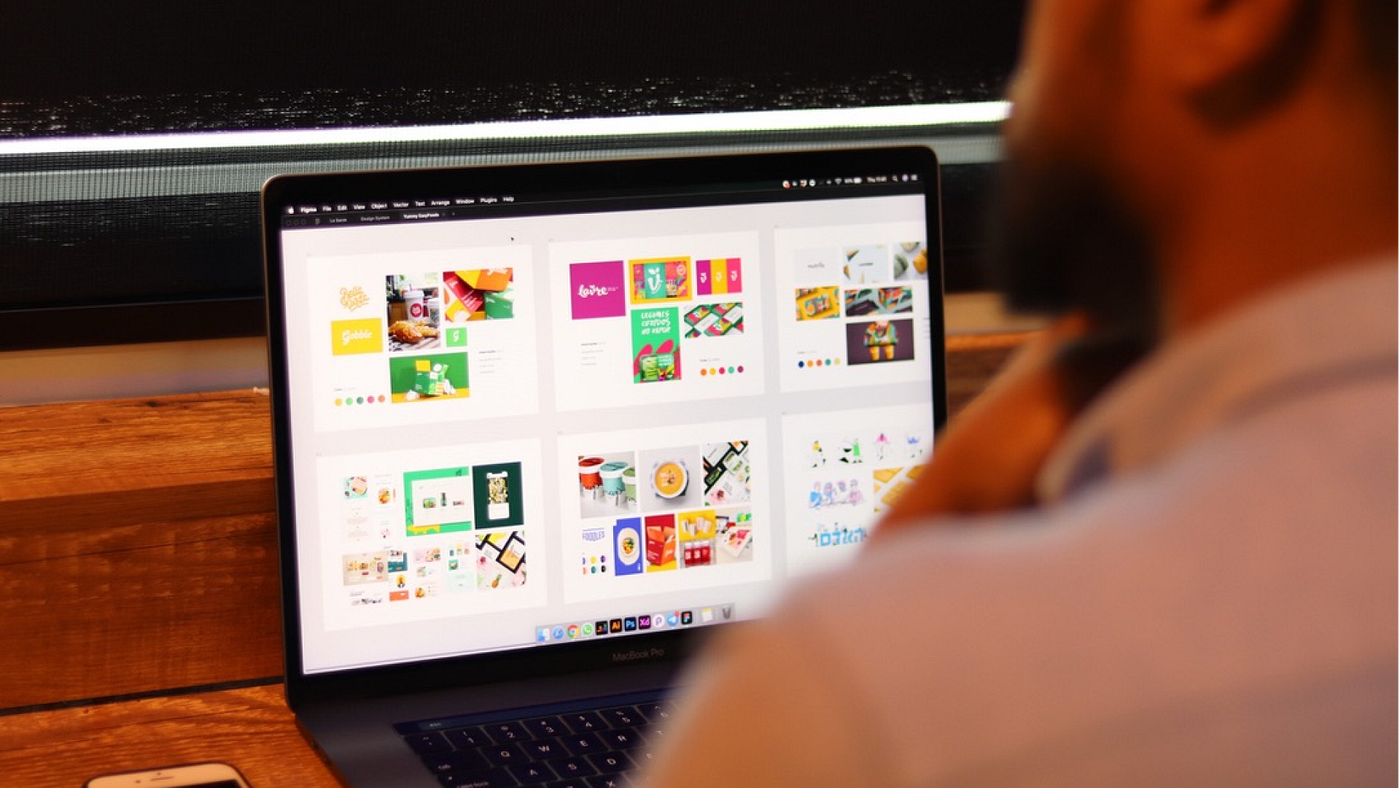
Most people approach graphic design as an art or craft that relies on the magic ability of a person, conventionally called the artist, of building something out of his or her inexplicable source of inspiration.
They take the client’s orders and lock themselves in a cave from which they are only allowed to break free when they have something extraordinary to show.
When the presentation day finally comes, the client, full of expectations, sits right in front of the artist, and it is time for the revelation.
The cloth that once covered the creation or the art, if you will, is removed and…voilá, the extraordinary, the unthinkable and unbelievable is revealed to the world.
- That’s exactly what I needed! You are a genius! Says the client in tears embracing the artist, who is utterly proud of their masterpiece.
And then they live happily ever after…
Except they don’t. I mean, what are odds?
The fake designer
I entered the creative field by accident. I was looking for ways to make my presentations more visually appealing and ended up learning about a lot of pieces of software other than PowerPoint and Keynote.
My first clients were colleagues from work and their friends. The transition from business consultant to creative, if I may, was slow but steady.
I would start every new project by saying: — Hey ahh…Just a quick reminder. Ahh, you know that I am not a designer, right?
And worst, to make sure I was not messing anything up, I would always come up with an excuse for checking on the client using all sorts of questionnaires, alignment meetings, mood boards, stylescapes, etc.
Fast forward eight years, this very approach, based on the fear of messing up, contributed to the smoothness of our processes and also to our assertive delivery. We later found out that, outside of our bubble, inviting the client into the process was also a best practice.
As a designer, you should learn to kill the vibe.
I believe that design is more process than art.
If the client says: — I want this website to be modern, but, at the same time, evoque a feeling of familiarity and show that we have been in business for a while… What are you going to design for them?
Well, in my opinion, you do not just take these pompous words and lock yourself up to start creating. You invite them in and find ways to build consensus among the abstract concepts they use to express themselves.
Your job from that first meeting is to understand how every difficult word they say in the briefing translates into imagery or actions.
-When you say modern, you mean something like this, right?
In that sense, every designer should be a vibe killer, taking the surprise and the revelation out of the equation by making sure nothing gets unnoticed.
Choose your weapon
As a vibe killer, you have to choose your best tools for each kind of project. In my experience, among the tools available, moodboards and wireframes are the norms.
Mood boards
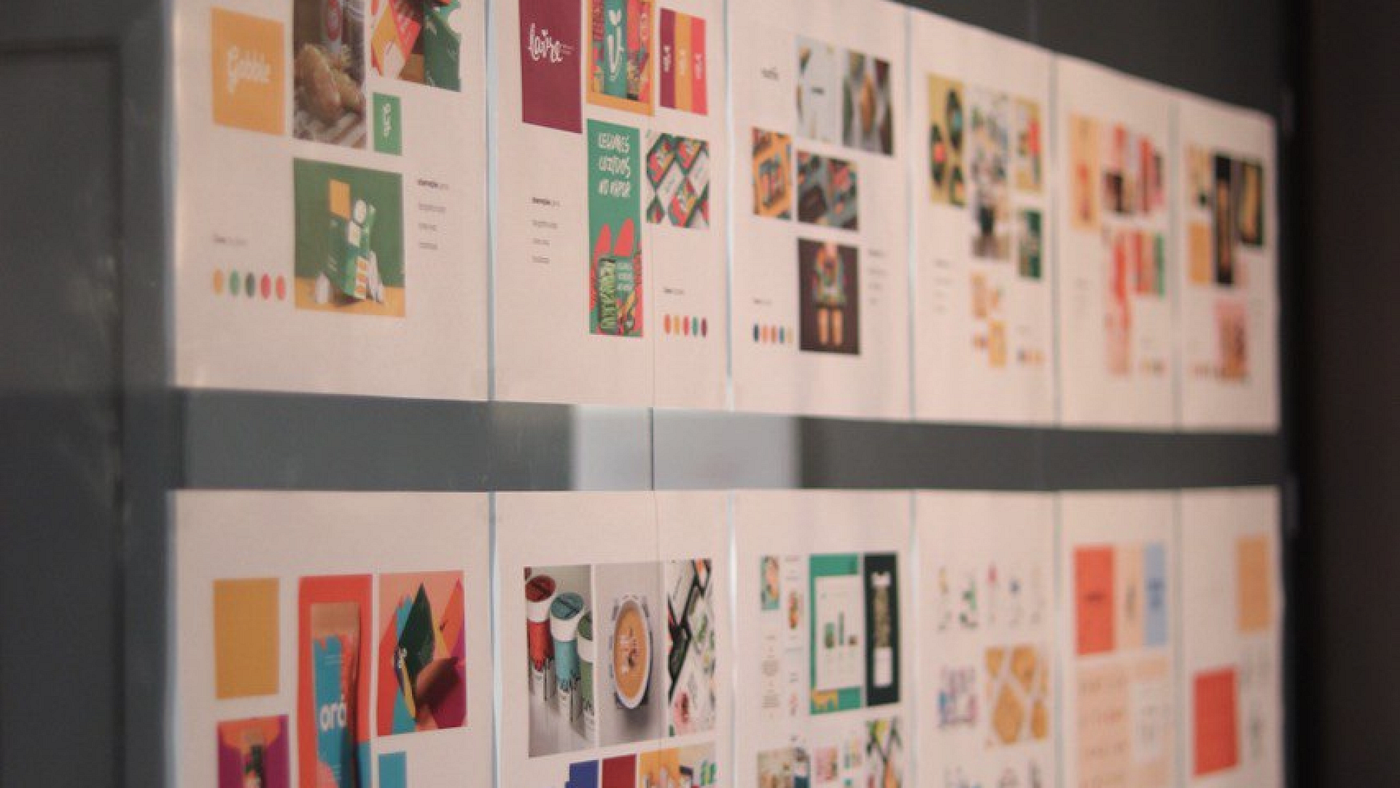
Moodboards are a great way to set the visual direction for a project. They are panels created to collect and organize inspiration.
The kind of inspiration you put on the moodboard is based on the briefing you did in the first meeting. You pick projects on the internet that could easily translate the words collected and put them together in an organized structure, so the clients can point and make comments on what they like and what they don’t.
Most people think moodboards are only great for designing brand identity, but the reality is that you can use them to discuss the aesthetics of any kind of visual project. I use it to contextualize the interface of the websites we build around here, for example, and I can see the benefit of it.
Wireframes
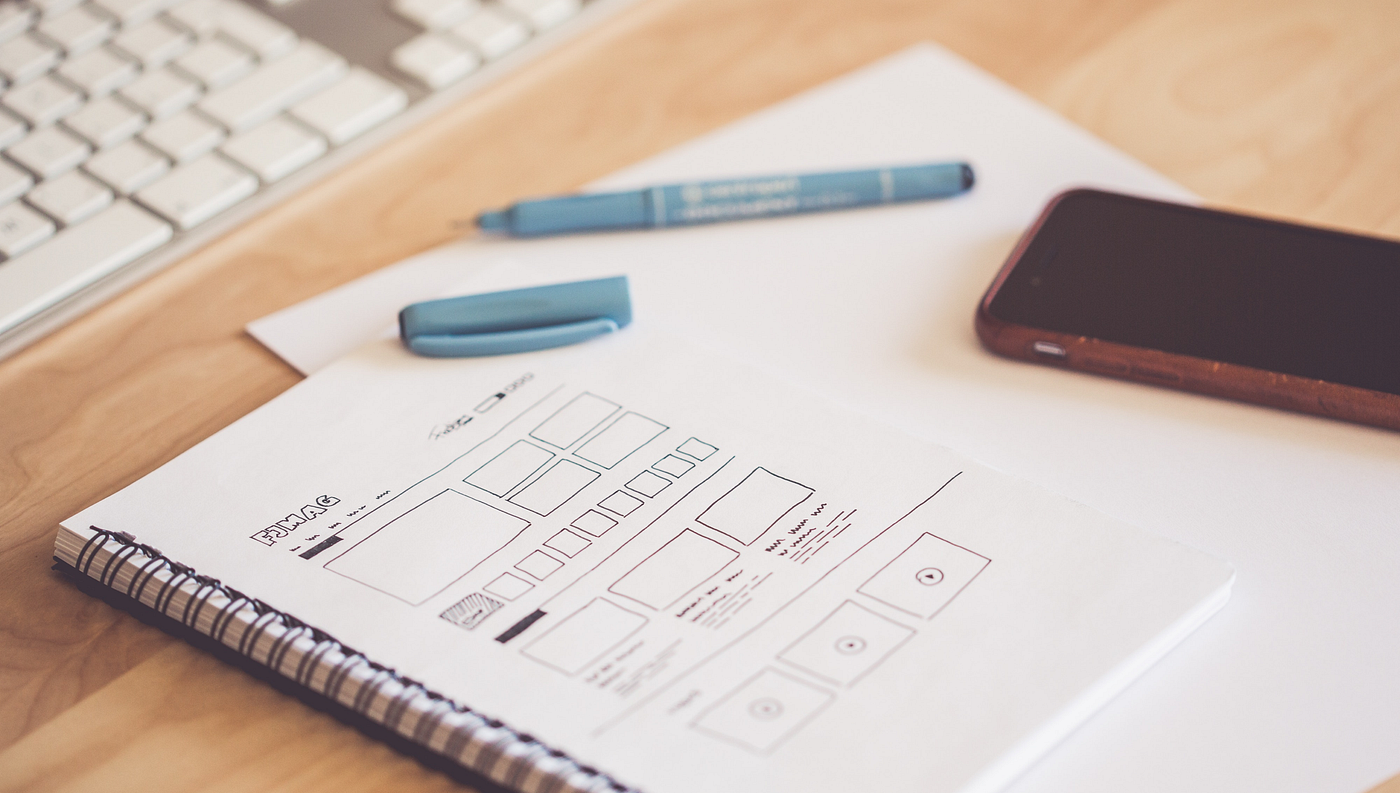
Wireframes are magic because they are the middle ground for solving usability challenges. They can start as sketches and evolve into something a little more refined but not a high fidelity piece of design.
A wireframe simply attempts to be an accurate representation of layout and information architecture while intentionally avoiding high visual and content fidelity.
I like Alexander Mescheryakov’s way of defining the usage of wireframes. According to his medium post, wireframes serve three main goals:
Generate Estimates — You sketch real quick during the briefing meeting just to determine the screen flow and, based on that price the project you are going to build;
Understand functionality — You can design raw wireframes to plan screens layouts and understand what Ui Elements should be developed;
Evolve usability and design — You can refine a little bit of the screens, work on the labels, and define what Ui elements should be designed.
See?
Above all things, what I’ve learned is that trying to get information and direction for a project by directly asking people what they think has been proven to be a bad strategy.
To assure assertiveness while helping our clients out, we should remove the surprise, inviting the client into the process by using collaboration tools to build consensus.
Moodboards, Stylescapes, and Wireframes are useful tools for that purpose, but I am sure you can find or create new ones.
